
MoneyCustomers
What the stock you keep for one customer really earns
A brand kept on the shelf for one buyer looks harmless. Work out the money it locks, the turns it misses, and five better ways to keep serving him.
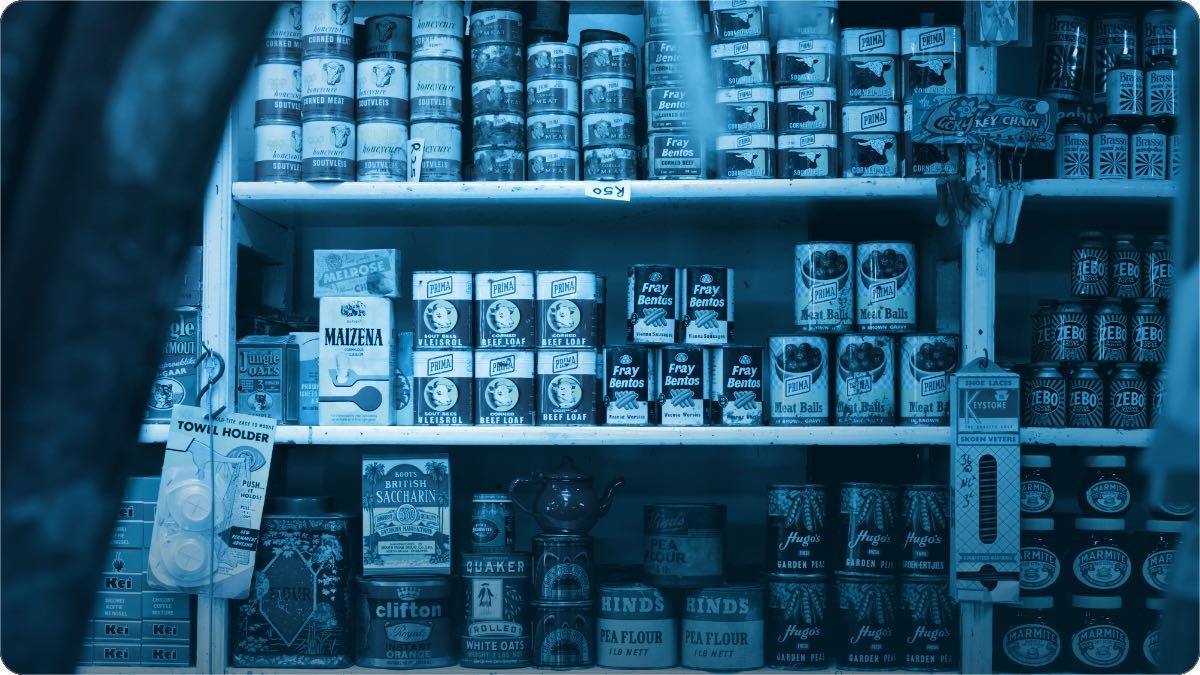
Work out what it earns. Take the money sitting in that line, count how many times a year it turns, and multiply by the profit per turn. Compare that against the same money in a line that moves every month. The number decides, not the habit.
The carton on the top shelf
You are up on the stool looking for something else, and your hand comes down on a carton with a film of dust across the top. You open it. Four pieces left. A brand of washing soap nobody in the street asks for except Rafiq, who takes two every couple of months on his way home from the mill.
You said yes to that carton years ago because he asked and he pays on the day. Nobody has looked at it since. It gets dusted, it gets counted at stock time, and once every two months two pieces leave it.
Every shop has one. A size of pipe for the plumber two streets away. A particular tea for the man who will drink nothing else. A feed for one buffalo owner.
It survives because it never looks like a mistake. It is not dead stock, because it does sell. It never shows a loss, because when it sells it earns the same margin as everything else. Nothing on that shelf raises its hand and asks to be reviewed.
The cost is somewhere else: the money sleeping inside the carton, and the shelf it stands on. Both are invisible on a busy day, and they stay invisible for years.
What that shelf actually earns you in a year
Slow stock is not judged by profit per piece. It is judged by how many times a year the same rupee comes back to you with profit attached.
Say one soap line, kept for one buyer
Say the soap costs you Rs 500 and you sell it at Rs 600. Rs 100 of profit, a respectable margin, and the reason the line looks fine.
Your supplier does not break the carton, so you hold twelve. Rs 6,000 of your money is standing on that shelf. Rafiq takes two every couple of months, so twelve pieces leave in a year. Your Rs 6,000 turns once, and comes back carrying Rs 1,200.
Now put the same Rs 6,000 in something that moves. Cooking oil, tea, a biscuit that walks out of the shop. The margin is thinner, say Rs 400 on Rs 6,000 of goods. But it turns every month. Twelve turns at Rs 400 is Rs 4,800.
Same money, four times the earning. That gap is why a shop can be full of goods and short of cash at the same time.
Start your digital khata today
Free to start. Works offline. English, Roman Urdu & Hinglish. Your customers get their app free, forever.
The minimum order locks up more than he spends
The second cost is usually bigger than owners expect, because it has nothing to do with what the customer buys.
Take the plumber and his pipe. He takes one length every three months. It costs you Rs 700 and sells at Rs 900. Four lengths a year, Rs 800 of profit, and you feel fine about it.
But your supplier sells that size in bundles of ten. To serve four sales a year you put Rs 7,000 on the wall. He buys Rs 2,800 of it at your cost in twelve months. The money you locked is two and a half times what he takes out of it.
Look at the last two pieces in that bundle. They will sell two and a half years after you paid for them. That money is not resting for a couple of months. It is asleep for years, earning nothing and paying nobody.
A small line that turns quickly is harmless. A line that is slow and comes in a big pack is where the money disappears. The wider question of pack size is worked through in buy stock in bulk or little and often.
One buyer means one point of failure
Here is the risk that decides most of these cases, and it is not the arithmetic.
It is Tuesday morning, the shutter is barely up, and Rafiq comes in to say he is shifting to his brother's town. He is cheerful about it. He buys his last two pieces, shakes your hand, and that carton never moves again.
He does not have to move, either. He can change trade. A bigger shop on the main road can start stocking the brand two rupees cheaper. None of those give you notice.
Ordinary stock does not work like this. If one customer stops buying your tea, thirty others still buy it. A one-customer line has no second buyer waiting anywhere, so the day he stops, those goods become the kind of dead stock that quietly eats your cash, in a form you cannot discount your way out of.
So the honest question is not what the line earns. It is what you are holding on the day he stops.
When keeping it is exactly right
The answer is yes more often than a hard reading of the numbers suggests.
Keep it when he is a large, regular buyer whose whole basket you would lose. If the man who takes that soap also spends Rs 8,000 a month across your shop, that carton is the reason he walks past two other shops to reach you. That balance is weighed in one big monthly buyer or twenty small ones.
Keep it when the item stores forever and the money is small. A hardware fitting, a plastic part, a sealed packet. If the money at stake is Rs 1,500 rather than Rs 15,000, the sum stops mattering.
Keep it when it brings other buyers in over time. Some lines start with one man and end with six, because he tells people you have it. Give a new line a fair run. A buyer count stuck at one for a long stretch is what gives you your answer.
And keep it when it is what makes you the shop that has everything. On a street where four shops sell the same forty items, being the one who does not send people away is worth real money, and that standing takes years to build. It is the quiet argument running through how to keep regular customers and still get paid.
Five arrangements that beat holding the stock
Hold it and drop it are not the only two choices. Here are five in between, in the order you should try them.
Holding it on the shelf against ordering it when he asks
Order it to demand. He tells you, you get it in two or three days, he collects it. Your money stays in your pocket the whole time, and a man who buys a thing every two months usually knows when he will need it.
Take a part advance on a special order. If the pack is large, ask for half when you order. It costs him nothing he was not going to spend, and it moves the risk off your shelf. The method is in taking an advance on a big order.
Agree a standing quantity on a standing day. Two pieces on the first of every month, ordered by you, collected by him. That is not slow stock at all, it is a schedule.
Price the slow line for the money it locks. If he wants it sitting there the moment he asks, that convenience has a cost. Rs 620 instead of Rs 600 is shelf rent, not a punishment. Say it plainly and most customers accept it.
Buy the smaller pack even at a worse rate. Six at Rs 520 instead of twelve at Rs 500 looks like losing Rs 240. It frees Rs 3,000, which in a monthly line earns back more than that.
The conversation is the part owners dread, and it is the easiest step. You are not refusing him. You are saying you want to keep getting this for him, so give me a few days' notice. Nine times out of ten the answer is a shrug and a yes, because he never knew you were carrying stock for him.
Dropping a line well, and finding the others like it
Sometimes the numbers say drop it. Then the only thing that matters is not losing the man along with the line.
Tell him before the last piece goes, never after. "These are my last two. My supplier only sells ten at a time and I cannot hold that much, so tell me a week ahead and I will get it for you." That is a solution, not a refusal, and it is heard completely differently.
Give him somewhere to go if you cannot supply it. Naming the shop on the main road that stocks it costs you nothing, and he will still buy his other forty items from you. What loses a customer is never the missing item. It is the feeling that he stopped mattering.
Then clear the last pieces. Offer them to him as a lot at a small discount, or move them where they get seen.
One afternoon to find every line like this in your shop
- List every item that has not moved in three months.
- Beside each one write the money standing in it.
- Write how many different people bought it in a year.
- Circle every line where that answer is one or two.
- Ask the supplier his smallest pack, and the rate on a single piece.
- Fix the three biggest and leave the small ones alone.
Finding the rest of them takes one quiet afternoon with whatever record you already keep. You are looking for two things together: an item that has barely moved, and an item with one buyer. Either alone is fine. Both together is the problem.
A bahi khata already tells you what came in and what went out, so a register is enough. An app is faster: Wasoolo holds buy rate and stock movement per item, so the slow lines and the money in them are a screen instead of an afternoon of adding. For the wider routine, see how to keep shop stock right.
Then be strict about the size of the job. Fix the three worst lines and leave the rest alone. One dusty carton is not worth an argument with a good customer. Rs 40,000 across nine sleepy lines is most of a month's stock money, sitting there because a series of small yeses were never added up.
Start your digital khata today
Free to start. Works offline. English, Roman Urdu & Hinglish. Your customers get their app free, forever.
Common questions
How slow does a line have to be before I should worry about it?
A useful line turns at least four times a year, so the money comes back every three months. Below that, look at it properly. Below once a year, change the arrangement rather than the customer. The exception is anything cheap that never spoils, where the money is too small to matter.
My supplier will not sell me fewer than twelve. What do I do?
Ask him three things first. What does a broken pack cost per piece, will he hold the balance and deliver it in parts, and is there another buyer nearby you could split a carton with. A neighbouring shop with the same problem is the easiest answer, and suppliers agree to a split more often than to a broken pack.
The customer says he will be offended if I stop stocking it. Is that real?
Usually that is your fear rather than his position. Test the softer version first: tell him you will keep getting it, but need a few days' notice. Almost nobody objects. If he will not accept ordering ahead, the line is a condition of his business, so price it for the money it locks.
Should I charge more for something I keep specially for one person?
You can, and it is fair, as long as you say it openly rather than sliding it in. The extra covers the money standing still and the shelf it stands on. Keep it modest, a few rupees on a Rs 600 item, and explain it once. A silent rise he finds on his own bill reads differently.
What if the item goes bad or expires while it waits?
Then it belongs in the order-to-demand column and nowhere else, whatever the customer prefers. Anything with an expiry that turns less than four times a year will eventually be thrown away, and that costs you the full purchase price, not the margin. Count what you throw out in a year and the line is usually earning nothing.
He buys it on udhaar as well. Does that change the answer?
It doubles the money at stake, so yes. Your rupees are asleep twice: once in the goods on the shelf, and again in his khata after he takes them. For a slow line on udhaar, ask for cash on that item alone, or take a part advance when you order it.