
ProblemUdhaar
Your khata register is full: what moves to the new one
Only two things belong in your new khata book: what each name still owes today, and the promises still open. Here is how to carry them over cleanly.
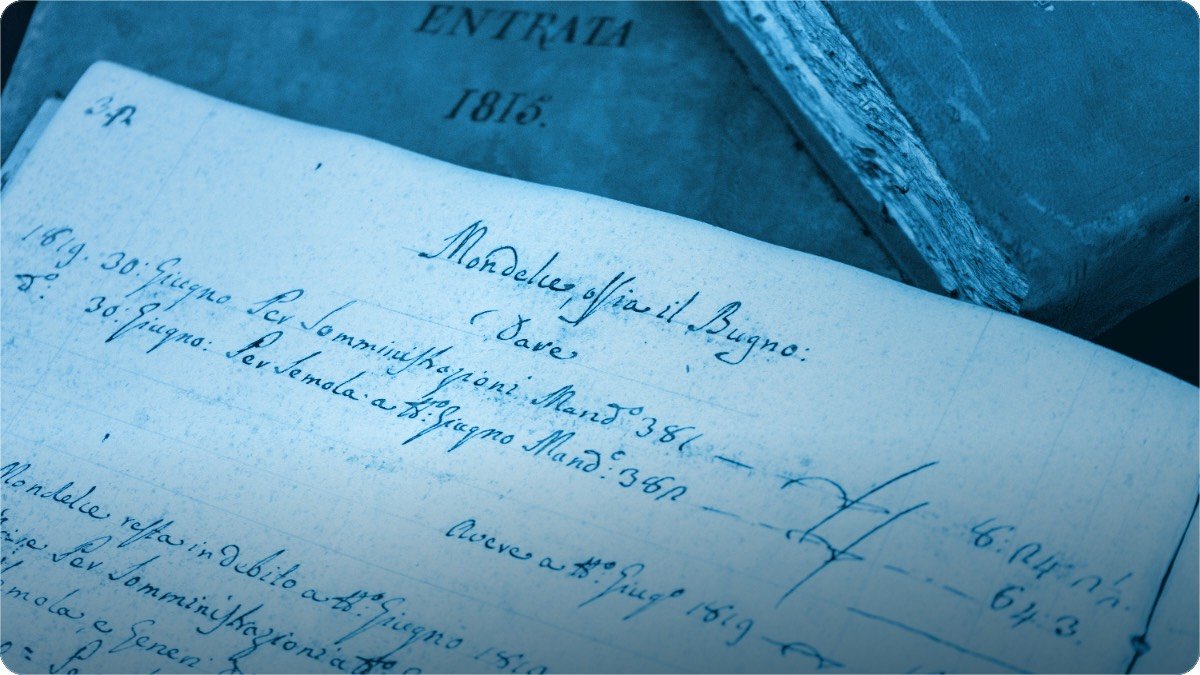
The register is nearly full. Only two things move to the new book: what each person still owes today, and the promises that are still open. Everything else stays where it is, closed and stored. Do it in one sitting, in front of the customer where you can, and write the old page number beside every carried line.
What actually moves, and what stays
A khata register holds two different kinds of writing, and shopkeepers get into trouble because they treat both the same.
The first kind is history. Every packet of goods, every part payment, every correction you made when somebody argued. It is long, it is messy, and it has already done its job: it produced a number.
The second kind is that number. What Nadeem owes you at closing time on the day you shut the book. That is the only thing the new register needs, because that is the only thing that is still true.
So the rule is short. History stays in the old book and gets stored as proof. Balances travel. Anything you copy beyond the balance is a second chance for a digit to change places, and nobody ever catches the second copy.
The number you carry is not a total of everything
Here is the mistake that costs the most, and it happens on the very first page of the new book.
Say one name in the old register, four pages of entries
Look at what got carried. Not the forty-six thousand of goods, and not the forty-one thousand of payments. Those two numbers describe a whole relationship, and neither of them is money anybody owes anybody today.
The carried figure is what is left after everything has cancelled out. It is usually small, and that smallness is exactly why people distrust it. A shopkeeper stares at a four-page account, sees Rs 3,600 at the bottom, and quietly wonders whether he has lost something.
You have not. The rest was paid. If the small number worries you, the fix is not to carry more, it is to add the page twice, on two different occasions, and see whether you land in the same place. If you do not, the problem is in the old book and it needs solving before anything moves, not after.
Close the old book on one fixed day
Books go wrong in the gap. You start the new register on a Tuesday, but a few regulars are still being written in the old one because their page has space, and six weeks later two books are alive at once.
Pick a day. Serve the shop normally right through it. After closing, the old register takes no more entries, ever, even if there is half a page left. Waste of paper is cheaper than a balance that exists in two places.
If you cannot total every name that same night, that is fine. Close the book to new entries first, then do the totalling over the following days at your own pace. Closing and copying are two separate jobs, and only the closing has to happen at a single moment.
One more thing worth doing on that day: read the old register from the front. You will find names you have not thought about in a long time, and some of them are balances that have been sitting for a very long time and need a decision, not a copy.
Five steps that close one book and open the next
- 1Close the old book on a fixed day, not graduallyPick a day, serve the shop as normal, and write nothing more in the old register after closing time. A book that is half alive for six weeks is where balances go missing.
- 2Total every name on its own page and sign the totalAdd the page, write the closing figure at the bottom, and put your initials beside it. That signature is what stops a total being re-added differently a year later.
- 3Carry only the closing figure into the new bookOne line per name: the name, the balance, the date, and the old page number. Never copy the entry history across, it only doubles the places a mistake can live.
- 4Show each regular his own opening lineTen seconds at the counter on his next visit. Agreement now is free; agreement after two months of new entries is an argument with no clean answer.
- 5Store the old register where water and hands cannot reachIt is now your proof, not your working book. A photograph of every page, kept somewhere other than the shop, costs nothing and settles most disputes in one minute.
What every carried line must say
The line you write is going to be read by somebody who is annoyed. Write it for him.
What a carried-over line should look like
Write it like this
- "Adnan Traders, balance Rs 3,600, carried from page 74"
- "Closing date written, and my initials beside the figure"
- "Shown to him at the counter, he agreed, ticked"
- "Old register photographed, page 74 stored"
Not like this
- "Adnan, 3600" and nothing else on the line
- Four pages of old entries copied out by hand
- A rounded figure because the real one looked odd
- Some names carried over, the quiet ones left behind
Two parts of that do the real work. The old page number turns a bare figure into something you can prove in ten seconds, instead of hunting through a closed book while a customer waits. And the tick, the one you make when he has seen the line himself, converts a number you wrote into a number you both agreed on.
Do not skip the quiet customers. The names that never argue are the ones most likely to be missed in the copying, and when a missed balance finally surfaces, it surfaces as an accusation. The person who never gave you trouble is now being asked for money he was never shown, and he is entitled to be annoyed about it.
Start your digital khata today
Free to start. Works offline. English, Roman Urdu & Hinglish. Your customers get their app free, forever.
The disputes that start on day one
Almost every disagreement about a new register comes from one of three places, and all three are avoidable.
The first is a rounded figure. Rs 3,647 becomes Rs 3,650 because it looks tidier, and now your book says one thing and his memory says another. Carry the exact number, however ugly it is.
The second is a missing payment. He paid Rs 500 in the final week of the old book, you had not written it in yet, and the balance you carried is Rs 500 too high. This is the same trouble as an udhaar you forgot to write down, except now it is baked into an opening line that looks official. Check the final two weeks of the old book carefully before you total.
The third is a name that appears twice. Farhan the customer and Farhan Cloth House are the same person, split across two pages because you opened a second page when the first one filled. Merge them before you carry, never after.
When a disagreement does arrive, the old book settles it, which is why it is stored and not thrown away. Handled calmly, a carried balance dispute is much easier than the argument that starts when a customer says he already paid, because the paper is fresh and both of you were there when the line was written.
When the new book should not be a book at all
A full register is the natural moment to ask whether the next one should be paper, because you are about to spend two evenings copying by hand anyway.
Paper has real advantages and nobody should pretend otherwise. It never runs out of charge, the customer can see it, and it costs a few hundred rupees. What it cannot do is total itself, warn you about a name you have not seen in weeks, or exist anywhere other than the shelf it is sitting on.
That last part is the one that matters most. A register lives in exactly one place, and if that place floods or burns, so does every balance in it. This is the whole argument for keeping your khata somewhere it can survive the shop.
If you do move, move at this exact point, with balances already totalled and agreed. You type one opening line per name into Wasoolo, the same line you would have written on paper, and the running totals look after themselves from there. If you would rather see the two side by side before deciding, the honest comparison is a khata register against a phone app.
And whichever you pick, keep the old book. It is the only record of everything that happened before the first line of the new one.
Start your digital khata today
Free to start. Works offline. English, Roman Urdu & Hinglish. Your customers get their app free, forever.
Common questions
Should I copy the old entries into the new register so everything is in one place?
No, and it is the most common way a new book starts out wrong. Copying by hand introduces mistakes that nobody will ever find, because the person checking will read the copy, not the original. Carry the balance, write the old page number beside it, and keep the closed register as your proof. One number crosses over; the story stays where it was written.
What do I do about very old balances I know I will never recover?
Decide about them before you carry them, not after. A dead balance that gets copied into a fresh book becomes permanent furniture, and you will keep carrying it into every book after that. Either make one honest attempt to settle it, agree a written-off figure with the person, or record it as a loss and let the new book start clean. What you must not do is copy it silently and pretend it is still active money.
The customer says my carried figure is wrong. What now?
Open the old register in front of him and add the page together, out loud, entry by entry. Nine times out of ten one of you finds a payment or a purchase that was not counted, and the argument ends without either side losing face. If the pages genuinely disagree with his memory and there is no proof either way, split the difference once and write the agreed figure with both of your marks on it. Then never let a balance travel unagreed again.
Can I just start a new page in the same register instead?
You can, and it is the right answer if the book has real space left. The problem is a register that is full for some names and empty for others, so one man's account runs across four scattered pages. If you find yourself flipping back and forth to add one customer's total, that book has finished its useful life whatever the page count says.
How long should I keep the old registers?
Longer than you think is necessary. Old books answer questions that arrive years later, about a guarantor, an old settlement, or a family member who takes over an account. They cost nothing to store and they are the only version of events that exists. Photograph the pages as well, and keep the photographs off the shop premises, because paper and shop share the same risks.
I keep my khata on a phone now. Do I still need to close anything?
The closing habit is still worth keeping, even without a physical book. Once a year, read your list of names from top to bottom, settle or write off the dead ones, merge the duplicates, and confirm the live balances with the people who owe them. A ledger only stays trustworthy if somebody looks at all of it occasionally, on paper or otherwise.