
CompareShop money
Khata register or mobile app: which one fits your shop
Paper is quick to write and slow to search. A phone khata is the opposite. An honest comparison, what switching really costs, and who should stay on paper.
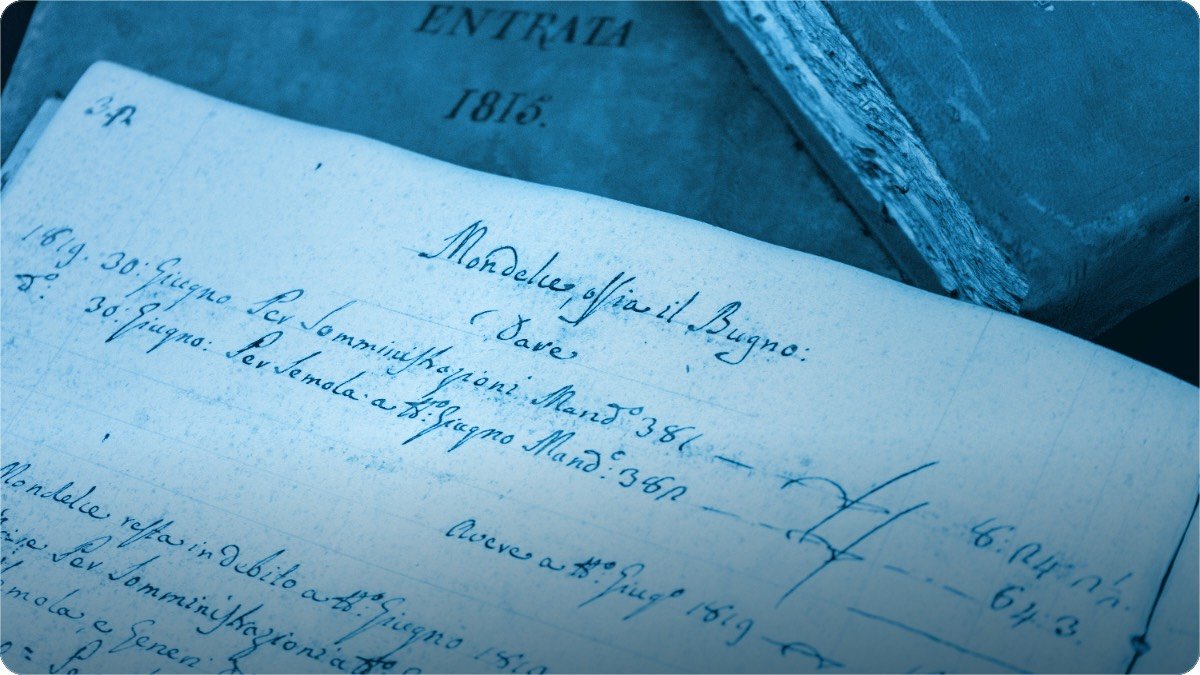
Paper is faster to write on and slower to search. A phone khata is the reverse, and it keeps a copy when the book is gone. For a shop with ten credit customers, the register is genuinely fine. Past about thirty, the four things paper cannot do start costing real money every month.
What the paper register genuinely does better
Start here, because most articles on this subject skip it and lose the reader in the first paragraph.
A register never runs out of battery. It does not update itself overnight and change where the button is. It never asks for a password on the one evening you are in a hurry, and it does not stop working because a phone fell into a bucket of water.
Anybody can read it. Your father can read it, your helper can read it, and the customer standing in front of you can read it upside down while you write. In a business built on trust, that last one matters more than any feature. A man who has watched you write his line into the same brown book for nine years believes that book.
Writing is fast. One hand, half a second, no unlocking and no searching for a name. For a single entry during a rush, nothing beats a pen.
And it costs almost nothing. A hundred rupees, a pen, and no account that anybody can ever lock you out of.
Take the shop honestly: if you carry ten or fifteen credit customers, remember all of them, and clear most balances the same week, the register is not your problem and switching will not make you richer. Fix something else. This comparison is for the shop where the list has quietly grown past what one memory can hold.
The four places paper quietly costs you money
Not four opinions. Four specific events that happen in every shop that keeps a register long enough.
Finding. A customer says the amount is wrong and the entry was in March. You are now flipping two hundred pages with three people waiting. Most shopkeepers give up after ninety seconds and accept whatever number he said, which is the correct decision and also a small loss, taken quietly, several times a year.
Losing. There is exactly one copy. A leaking roof, a shifted shop, a page torn out for a shopping list, a child with a pen. When the register goes, so does every balance in it, and you will only ever recover what people choose to tell you. Ask around your own bazaar and somebody will have a story.
Proving. A page can always be argued with. A figure written over, a total in different ink, a line squeezed into a margin. Worse, the customer has no copy at all, so every disagreement becomes your word against his, and a balance you cannot prove is usually a balance you end up recovering the hard way.
Totalling. A register never tells you how much is owed to you. It can only be added, by hand, page by page, and so almost nobody ever adds it. That is the expensive one. Money you cannot see is money you cannot notice growing, and udhaar grows the way weight does, a little at a time until the number is a shock.
There is a fifth thing, and it is not a cost, it is an absence: a register cannot tell you that Rasheed has not bought anything for six weeks. It has no way to raise its hand. Everything it knows, it knows only when you go looking.
Side by side, honestly
The same shop, kept two ways
Two rows in that table decide it for most shops: what happens when the book is lost, and whether the customer has his own copy. Everything else is a preference. Those two are the ones that turn into money.
Notice also what the table does not claim. A phone khata is not faster to write than a pen. It does not make customers pay. It cannot stop somebody from taking goods and disappearing. Any app that promises those things is selling you something.
Start your digital khata today
Free to start. Works offline. English, Roman Urdu & Hinglish. Your customers get their app free, forever.
What switching actually feels like in week one
The fear is reasonable: fifty balances, one small screen, and a shop that cannot close for two days. So do it the way that actually works.
Moving fifty balances without closing the shop
- 1Do not type in the historyOne opening balance per customer is enough. The old register keeps the past.
- 2Pick a slow morningTwo quiet hours beat four broken ones on a Saturday evening.
- 3Read each balance out to the customer"Starting fresh at Rs 4,200, agreed?" Ten seconds, and the number is now agreed.
- 4Run both for two weeksWrite the paper line and the phone line. Double work, on purpose.
- 5On day fifteen, compare the totalsIf they match, you are ready. If not, the gap names the entry you keep fumbling.
- 6Tell the customers in one line"The khata is on the phone now, and you will get your balance in a message."
- 7Put the register in a cupboardDo not throw it away. It is the shop's history for anything anyone questions later.
The step people get wrong is the first one. They try to type in the entire history, every purchase from the last two years, and give up on the third evening with the shop half moved and nothing trustworthy anywhere. You do not need the history. You need today's balance, one line per customer, and the old register in a cupboard for anything anybody wants to check.
The second step people skip is reading each balance out to the customer as you enter it. "Rasheed, we are starting fresh at Rs 4,200, agreed?" Ten seconds each, and it converts every opening number into something both of you said out loud. It is also the single best day you will ever have for clearing up small disagreements, because everyone is being asked at once and nobody feels singled out.
Run both systems for two weeks. Yes, it is double work, and it is the reason the switch sticks: on day fifteen you compare the two totals, and either they match, or the difference teaches you exactly which entry you have been fumbling. After that the register goes in the cupboard, not the bin.
What it costs, in money and in hours
Everybody knows the register costs a hundred rupees. Almost nobody has worked out what it costs to use.
Say: what a year on the register costs one shop
Example numbers, not a survey. Put in your own three lines. Most shopkeepers have never added this up, which is exactly why paper feels free.
Those are example numbers, not a survey. Put in your own: minutes a day spent hunting, amounts you have accepted because you could not prove otherwise, and udhaar that never got written down at all during a rush. Three lines, five minutes, and the answer is usually uncomfortable.
That is the honest way to think about the price of an app too. The question is not "is it free". It is whether it saves more than it costs. Wasoolo is free to download and the everyday khata does not cost anything to keep using, with paid tiers for shops that want more, and the same test applies to any app you look at: run it for a week, then decide.
Seven questions to ask before you pick any app
This is the part worth keeping, whichever app you end up with.
- Does it work with no internet? Not "syncs later when you connect" as a slogan, but genuinely: can you enter a sale, take a payment and read a balance with the data turned off all day?
- If your phone is stolen tonight, where is your khata tomorrow? There should be a real answer involving a backup and a login, not a shrug.
- Can you get your own data out? A statement you can share, a report you can print. Data you cannot take out is data you do not fully own.
- What exactly is free, and what is charged? Ask before you enter fifty customers, not after.
- Can the customer see his own balance? Every dispute in your shop gets shorter when he has a copy that came from the same record.
- Can your helper use it without seeing everything? A shop where the boy can enter a sale but not read your profit is a shop that can grow past your own two hands.
- Does it speak the language your shop speaks? Money words your customers use, in a script you read without effort.
Then test it properly. Five customers, one week, alongside the register. An app that survives a week in a real shop is worth moving the other forty-five onto; one that does not, you have discovered cheaply.
Who should honestly stay on paper
Some shops should not switch, and pretending otherwise would waste your time.
If nobody at the counter has a smartphone that stays in the shop, paper wins by default. If the phone goes home in your son's pocket at seven, the khata is not in your shop after seven, and that is worse than a register.
If you carry ten credit customers and clear most of them weekly, the gain is too small to bother with. If your eyes struggle with a screen but not with a page, that settles it. If you are winding the shop down or handing it over this year, do not start a new system for a finish line you can see.
If any of those is you, do one thing anyway, tonight: photograph the register pages with your phone once a month, and let those photos back themselves up wherever your phone puts pictures. It takes four minutes and it removes the single largest risk paper carries, which is that one bad afternoon takes every balance with it.
And whichever way you go, the habit underneath matters more than the tool. Write it in front of the customer, read the balance out, and look at the whole list once a week. A shop that does those three things on paper is in better shape than a shop that does none of them on a phone, and knowing what your shop actually earns starts with the same discipline either way.
Common questions
I have fifty customers on udhaar. Is it too late to move to an app?
Fifty is the size where the move pays for itself fastest, and it takes about two hours. Enter only today's balance for each customer, not the history, and keep the old register for anything anybody wants to check. Shops with fifty balances are exactly the ones losing money to the four problems paper has, because fifty is well past what one memory holds.
My customers trust the register because they can see me writing in it. Will they trust a phone?
They trust being shown, not the paper. Turn the screen towards the customer as you save the entry, read the new balance out loud, and send him his statement. Most shopkeepers find trust goes up rather than down, because for the first time the customer has his own copy instead of your word for it.
What happens to my khata if my phone breaks or is stolen?
With a register, a lost book is a lost khata, permanently. With an app, it depends entirely on backup: check before you commit that your data lives somewhere other than the handset and that you can sign in on a new phone and find it there. If an app has no clear answer to that question, do not put your shop into it.
Is it slower to type an entry than to write one?
For one entry, a pen is faster, and anyone who tells you otherwise has not stood at a counter during the evening rush. The time comes back on everything else: finding an old entry, adding up what is owed, checking who has gone quiet, and preparing a statement. The writing is a few seconds slower and the reading is minutes faster.
Can I use both, a register and an app together?
For two weeks, yes, and that is exactly how a switch should be done. Longer than that and you get the worst of both, because two records that disagree are less useful than either one alone. Pick a date, compare the totals, and let one of them become the real record from that morning on.
My helper runs the counter half the day. Does he need his own login?
He should have his own, with only the permissions he needs, so his entries are recorded under his name and your profit figures stay yours. On paper the same idea costs you a second book and it never really works. This is one of the few places where a shared record genuinely fixes a problem that paper cannot.