
MoneyShop money
How to price what you sell and still earn
What an item really cost you, the margin that keeps the shop open, why one percentage for everything is wrong, and how to raise a price safely.
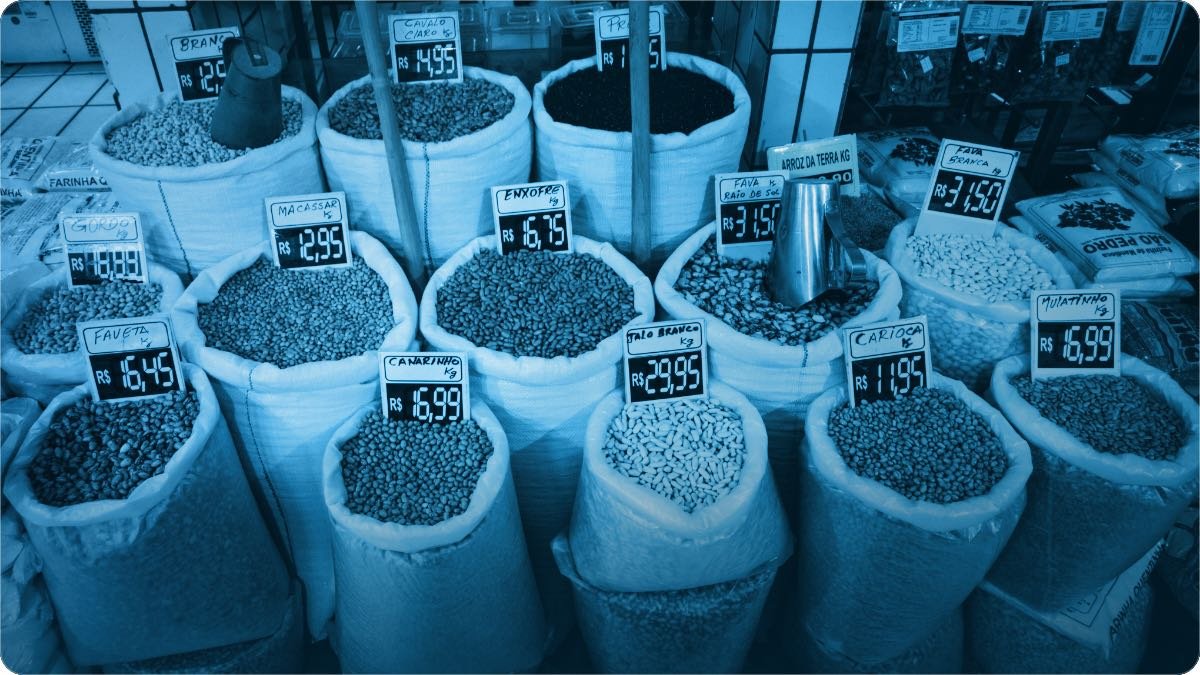
Your price starts at what the item truly cost you, not at what the bill said. Add the shop's own monthly costs, then set the margin item by item instead of one percentage for everything. Small everyday things carry less, slow things carry more, and the four prices your street already knows carry almost nothing.
What the item actually cost you
Most wrong prices in a small shop are wrong at the very first step, because the cost used was the number printed on the supplier's bill.
That number is rarely the whole cost. There is the fare or the delivery charge to get it here. There is the piece that arrived broken and the packet that arrived short. There is the free unit that came with the carton, which lowers the cost of every unit in it. There is the discount you actually received rather than the one you were promised. And for anything that goes off, there is the share that will not sell before it has to be thrown.
Take a carton of twenty-four bottles. The bill says Rs 2,880, so Rs 120 each. The delivery was Rs 120, one bottle came broken, and the company gave you one free with the carton. So you have twenty-four sellable bottles and you spent Rs 3,000, which is Rs 125 each. Price from Rs 120 and you have quietly given away Rs 5 on every bottle for as long as you sell it.
None of this needs a calculator every day. It needs the true cost written down once, at the moment the goods arrive, so that every price after that starts from a real number. If you record stock as it comes in, put the buy rate in on the same day, because a cost remembered a month later is a cost invented a month later.
The margin that keeps the shop open
Margin is not profit. It is what is left on the goods before the shop has paid for anything else, and the shop has quite a lot else to pay for.
Say: one month, and what 2% on the rate is worth
Example numbers, not a survey. Put your own month in: sales, cost of goods, and everything the shop pays monthly.
Look at what that box does. The goods leave Rs 45,000 on a month of Rs 300,000, which sounds healthy until rent, power and a helper take Rs 32,000 of it. The shop earns Rs 13,000, and the man behind the counter worked six days a week for it.
Now look at the last two lines. Two rupees in every hundred, on exactly the same sales, adds Rs 6,000 and takes the shop from Rs 13,000 to Rs 19,000. Nothing else changed. No extra customers, no longer hours, no new shelf.
That is the whole argument for spending one evening on your rates. The same 2% cut the other way, given away quietly through mispriced items, is roughly half of what the shop earns. Prices are the fastest lever in a small business and the one most shopkeepers touch least.
There is a second habit hiding in that box. Work out your own monthly costs once, divide them by your monthly sales, and you will know what share of every rupee is spoken for before any profit exists. In the example it is about Rs 11 out of every Rs 100 that comes in. A shopkeeper who knows that number never again sets a margin that quietly loses money on a busy item.
Start your digital khata today
Free to start. Works offline. English, Roman Urdu & Hinglish. Your customers get their app free, forever.
Why one percentage for everything is wrong
The same shop, two items, two different rates
Nearly every shop that has never thought about pricing runs one rule: add the same percentage to everything. It is simple, and it is wrong in two directions at once.
On the items people buy every day, your street already knows the price. Cooking oil, sugar, flour, a bottle of something cold. Those prices are compared automatically, by everybody, without anybody meaning to. A rupee over on those is the single fastest way to get a reputation for being expensive, and that reputation costs you far more than the rupee earns.
On the items people buy twice a year, nobody remembers the price at all. A specific spare, an unusual size, a thing somebody needs today and would have to travel to find. Your money sat on the shelf for four months waiting for that sale, and it deserves to be paid for waiting. Charging those at the same thin margin as sugar is giving away the only place a small shop can actually earn.
So the rule that works is not a percentage. It is a question you ask per item: how many people compare this, and how long does my money wait? Everyday and compared means thin. Occasional and uncompared means fuller. Everything else sits between the two.
The four prices your street already knows
Every area has a handful of items whose price everybody carries in their head, and those items are not where you earn. They are your signboard.
Find yours. It is usually three or four things, and you already know what they are, because those are the items customers mention when they mention prices at all. Sell them at the ordinary rate for your area, keep them in stock, and stop thinking about them as profit.
They pay you differently. A man who comes in for oil at the normal rate buys four other things while he is standing there, and it is those four things that keep the lights on. Losing the oil customer to save two rupees loses the four things as well.
The mistake to avoid is the opposite one too. Selling those items below everybody else does not usually win a shop anything either, because the people who chase the last rupee are the people who leave for the next shop that goes lower. Ordinary is the correct answer for the known prices. Do your earning where nobody is counting.
Rounding, and the price that stops the argument
Small shops handle change all day, and a rate that constantly needs coins costs you time you do not notice you are losing.
Round to something the counter can settle quickly. Rs 45 and Rs 50 both work. Rs 47 costs you a small negotiation every single time, and over a day that is real minutes and a slightly worse mood on both sides.
Round up rather than down when the true cost sits between two figures. Rounding down feels generous and is invisible to the customer, who was never comparing that item anyway.
And keep one price per item, for everybody. The moment your rate depends on who is standing there, two things happen. Somebody eventually finds out, and it is always the customer you least wanted to explain it to. And you stop being able to check your own numbers, because there is no longer one number to check.
Raising a rate without losing the customer
Raising a rate without losing the customer
- 1Never on the four prices your street knowsSugar, flour, oil, a soft drink. Those decide whether people think you are expensive.
- 2Move a few items, not the whole shopTen quiet items in a month is invisible. Everything at once is an announcement.
- 3Change it when the packet changesA new carton, a new size, a new season. The rate moves with something visible.
- 4Say it plainly if somebody asks"The company rate went up last week." One sentence, no apology, no long story.
- 5Watch that item for three weeksIf the same people keep buying it, the rate was fine. If they stop, put it back.
Prices have to move sometimes, and the way most shops do it is the only part that goes wrong.
Move a few items at a time, quietly, and never the known ones. Ten items in a month, spread across the shelves, is invisible. The whole shop in one morning is an announcement, and people respond to announcements.
Move a rate when something visible changes: a new carton, a new packet size, the start of a season. The rate has an obvious reason attached to it and nobody feels singled out.
If somebody asks, answer in one plain sentence and do not apologise. "The company rate went up last week." A long explanation sounds like a man who knows he is overcharging, even when he is not.
Then watch that item for three weeks. If the same people keep buying it, the rate was right. If they stop, put it back without making a speech about that either. Three weeks of watching is how you learn what your shop can actually carry, and it is a far better teacher than anybody's opinion, including this article's.
Check the rates once a month
Costs move. Your prices, left alone, do not move with them, and a shop can spend a whole year selling something at a loss without ever noticing.
Once a month, take twenty minutes and check three things. The items whose cost went up since you last looked. The items that have not sold at all, which are a different problem but often begin as a pricing one. And your best sellers, because a small mistake on a fast item is a large mistake by the end of the month.
This gets much easier when the cost of each item is recorded rather than remembered. Wasoolo keeps the buy rate with each product and shows what a sale actually earned, which turns the monthly check into reading a screen instead of reconstructing a year of bills. It is free to download from wasoolo.com.
One last thing, because it is the mistake that quietly ends shops. When money is tight, the instinct is to drop prices to pull people in. It almost never works, because your street is not choosing between shops on a rupee, and it removes the only cushion you had. When it is tight, look first at what the goods cost you and at what is tied up in stock that is not moving. The rate is usually not the thing that was broken.
Common questions
What margin should a small shop keep?
There is no single figure, because it changes completely by item and by trade. What every shop can work out is the floor: divide your monthly costs by your monthly sales, and that share of every rupee is spent before any profit exists. Any margin below that loses money. Above it, the everyday compared items sit thin and the occasional uncompared ones sit fuller.
The shop next door is cheaper. Should I match him?
On the three or four prices your area knows by heart, stay at the ordinary rate for the area. On everything else, do not chase him. You do not know his costs, his rent or whether he is making anything at all, and matching a price you cannot afford turns his mistake into yours. Compete on being in stock, on service and on getting the amounts right.
Is it wrong to charge different customers different prices?
It is not wrong, but it is expensive. Somebody always finds out, and it is never the person you would have chosen to explain it to. It also makes your own numbers impossible to check, because there is no single rate to compare a month against. One price per item, with a clear discount rule for genuine bulk, is easier to run and easier to defend.
How often should I change my prices?
Check monthly, change rarely, and never all at once. Twenty minutes a month on the items whose cost moved, the items that are not selling and your best sellers will catch almost everything. Changing a few items quietly through the month is invisible to customers; changing the whole shelf in one morning is the thing they notice and talk about.
Should I include my own salary in the shop's costs?
Yes, and most shopkeepers do not, which is why so many shops look profitable and feel poor. Put a plain monthly figure for your own work in with the rent and the power. If what is left after that is small, the shop is paying you a wage and calling it profit, and pricing is one of the few places you can fix that without working longer hours.
A customer says my rate is too high. What do I say?
One sentence, calmly, with no apology and no long story. "That is the rate right now." If it is a known item and he is right, check it that evening and fix it quietly. If it is not a known item, he is usually testing rather than comparing. The shopkeeper who explains himself at length teaches everybody standing there that his prices are negotiable.